The Silent Epidemic: Understanding Antibiotic Resistance and Superbugs in India
The Silent Epidemic: Understanding Antibiotic Resistance and Superbugs in India
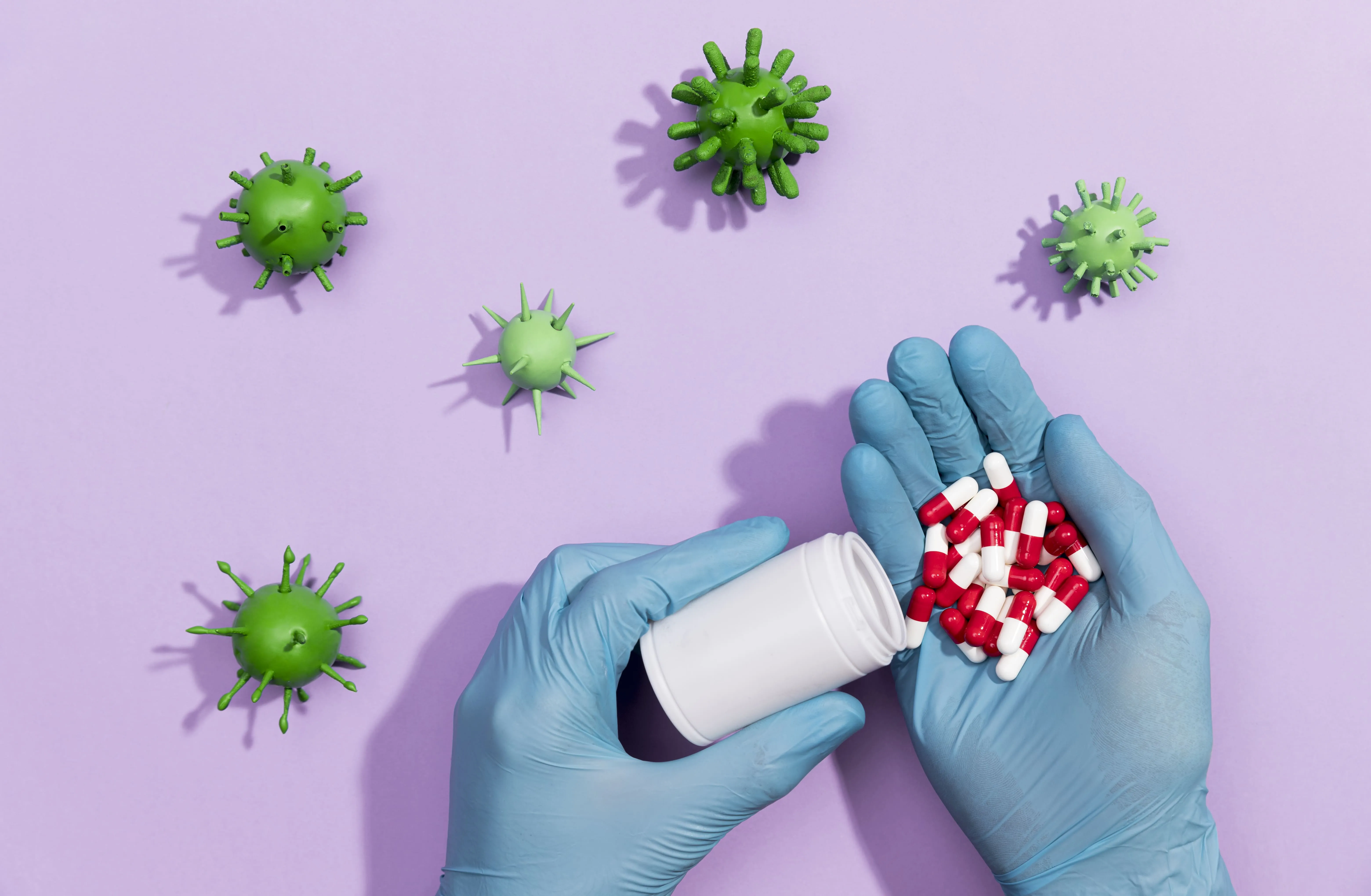
Imagine a world where a simple cut from a kitchen knife could kill you. A world where routine surgeries become life-threatening. A world where common infections have no cure. Sounds like a nightmare from the past, right? Unfortunately, this could be our future if we don’t understand and act on one of the biggest health threats facing India today: antibiotic resistance and superbugs.
Let me share a story that will help you understand why your doctor’s decision to not prescribe antibiotics for your cold might actually be saving your life—and the lives of millions of others.
The Hidden World of Bacteria: Understanding the Basics
Before we dive into the crisis, let’s understand who the main characters in our story are: bacteria.
Bacteria Are Everywhere
Right now, as you read this, billions of bacteria are living on your skin, in your gut, on your phone, keyboard, and every surface around you. Don’t panic—this is completely normal and actually necessary for life.
Most of these bacteria are harmless or even helpful. They help digest your food, protect your skin, and keep you healthy. We call these “good bacteria.” They’re like the peaceful citizens in a city, going about their business and maintaining harmony.
However, among these peaceful residents, there are also troublemakers—the “bad bacteria” or pathogens. These are the ones that cause infections, diseases, and health problems. In a healthy environment, the good bacteria far outnumber the bad ones, keeping them under control naturally.
How Bacteria Multiply and Change
Bacteria reproduce incredibly fast—much faster than any animal or plant. They simply divide themselves into two identical copies, like photocopying. One bacterium can become millions within hours.
Now here’s where it gets interesting. Imagine you’re asked to hand-copy a 1000-page book. No matter how careful you are, you’ll make a few mistakes—a spelling error here, a missed word there. Similarly, when bacteria copy their DNA during reproduction, tiny errors occur. These errors are called mutations.
Most mutations don’t matter. Some actually help the bacteria survive better. A few might weaken them, and those bacteria die out. This is natural selection happening right before our eyes—survival of the fittest at the microscopic level.
The Birth of Antibiotic Resistance: A Battlefield Story
Let me paint you a picture to help you understand how antibiotic resistance develops.
The Battlefield Analogy
Imagine a battlefield after a fierce war. The attacking army has killed thousands of enemy soldiers and left, believing they’ve won. But as you walk through the battlefield, you find a few survivors:
- One soldier hiding in a ditch, injured but alive
- One person concealed in a secret bunker
- A few who somehow escaped the attack
These survivors didn’t survive by chance alone—they had something different. Maybe they were stronger, smarter, or just happened to have better hiding spots. Whatever it was, they survived when others couldn’t.
Now, these survivors go back and tell others about the enemy’s tactics. They teach the next generation how to defend against similar attacks. When the enemy returns with the same weapons and strategies, they’re no longer effective. The new army is prepared.
This is Exactly How Antibiotic Resistance Works
When you take antibiotics, they kill most bacteria—usually 99.99% of them. You’ve seen those soap commercials, right? “Kills 99.99% of germs!” Ever wondered about that remaining 0.01%?
That tiny fraction of bacteria survives because they happen to have mutations that help them resist the antibiotic’s attack. Maybe their cell wall is slightly different, or they can pump the antibiotic out before it kills them, or they can break down the antibiotic chemically.
These survivor bacteria then multiply rapidly. Within days, you have millions of bacteria descended from those few survivors—and all of them carry the resistance genes. The antibiotic that once worked perfectly is now useless against this new colony.
The Inherent Problem: A Never-Ending Cat and Mouse Game
Here’s a sobering truth: Every antibiotic ever created will eventually become ineffective.
This isn’t because of misuse alone (though that makes it much worse). It’s because of the fundamental nature of bacteria—they evolve, they adapt, they survive. Complete elimination of bacteria is impossible. Some always survive, and those survivors are the ones with favorable mutations.
Scientists develop new antibiotics. Bacteria develop resistance. Scientists create stronger antibiotics. Bacteria adapt again. It’s a never-ending race, and lately, bacteria are winning.
The India Crisis: How We’re Accelerating Our Own Doom
Now let’s talk about what’s happening specifically in India, and why we’re creating the perfect storm for antibiotic resistance.
Over-the-Counter Antibiotics: A Recipe for Disaster
Walk into many pharmacies in India, and you can buy powerful antibiotics without a prescription. Got a cold? Here’s Azithromycin. Mild fever? Take some Augmentin. Sore throat? Have some antibiotics.
This is catastrophic for several reasons:
- Antibiotics Don’t Work on Viral Infections: Most colds, coughs, and sore throats are caused by viruses, not bacteria. Taking antibiotics for these is like trying to kill a fish with a baseball bat while it’s in the ocean—completely ineffective and potentially harmful. Yet millions of Indians take antibiotics for viral infections every year.
- Incomplete Courses: People often stop taking antibiotics once they feel better, not completing the full course. This is extremely dangerous. When you stop early, you’ve killed the weak bacteria but left the stronger, more resistant ones alive. These survivors then multiply, creating a more resistant population.
- Wrong Antibiotics: Without proper diagnosis, people take whatever antibiotic is available or recommended by their pharmacist. Different antibiotics work on different bacteria. Using the wrong one is not only ineffective but also gives bacteria practice in developing resistance.
The Pressure on Doctors
The situation is complicated by the healthcare dynamics in India:
- Private Practice Pressures: Private doctors often face an impossible choice. If they don’t prescribe antibiotics and the patient develops an infection, they risk losing the patient’s trust and facing complaints. Many feel pressured to prescribe antibiotics “just to be safe,” even when they know it’s not medically necessary.
- Government Hospital Dynamics: In government hospitals, patients often demand antibiotics because they’re available for free or at very low cost. There’s a perception that “more medicine equals better treatment.” Patients sometimes feel their doctor isn’t treating them seriously if they don’t receive antibiotics.
- Time Constraints: Proper diagnosis takes time. In busy clinics where doctors see 50-100 patients daily, it’s faster to prescribe a broad-spectrum antibiotic than to investigate whether it’s truly needed.
The Hidden Crisis: Agriculture and Animal Husbandry
What many people don’t realize is that a huge portion of antibiotic use happens not in human healthcare but in animal farming:
- Dairy and Poultry Industries: To keep animals healthy in crowded conditions and to promote faster growth, farmers routinely add antibiotics to animal feed. This isn’t treating sick animals—it’s giving antibiotics to healthy animals as a preventive measure.
- Consequences for Humans: When you consume milk, eggs, or meat from these animals, you’re exposed to antibiotic residues. More critically, bacteria in these animals develop resistance, which can then transfer to human bacteria through the food chain or environmental contamination.
- Fish Farming: Even in aquaculture, antibiotics are used extensively, contributing further to the resistance problem.
Real Stories, Real Consequences
Let me share an example that highlights the severity of the situation:
A young professional developed a simple throat infection. His doctor, wanting to be cautious (or perhaps under pressure), prescribed Imipenem—one of our most powerful “last-resort” antibiotics. This antibiotic should be reserved for the most serious, life-threatening infections that don’t respond to anything else.
Using such a powerful antibiotic for a minor infection is like using a nuclear weapon to deal with a small border skirmish. It’s not just overkill—it’s dangerous. It exposes bacteria to our most powerful weapons unnecessarily, giving them the chance to develop resistance to our last line of defense.
Meet the Superbugs: India’s Deadly “Make in India” Success
All this antibiotic misuse has created something terrifying: Superbugs—bacteria that are resistant to all known antibiotics.
What Are Superbugs?
Superbugs are bacterial strains that have developed resistance to multiple antibiotics, including our strongest and most advanced ones. Some are resistant to literally every antibiotic we have available.
Common superbugs include:
- MRSA (Methicillin-Resistant Staphylococcus Aureus): Resistant to most common antibiotics
- CRE (Carbapenem-Resistant Enterobacteriaceae): Resistant even to carbapenems, our strongest antibiotics
- XDR-TB (Extensively Drug-Resistant Tuberculosis): TB that doesn’t respond to most TB medications
- NDM-1 (New Delhi Metallo-beta-lactamase-1): First identified in India, resistant to almost all antibiotics
The Reality of Superbug Infections
Imagine getting a superbug infection. Here’s what it means:
You get a small scratch while gardening or a minor infection after a routine surgery. Within days, you’re in the ICU fighting for your life. Doctors try every antibiotic available—nothing works. The infection spreads. Your organs begin to fail.
Your family watches helplessly as you deteriorate. Lakhs of rupees are spent on hospital care, advanced treatments, and experimental therapies. Weeks or months pass in agony and hope, trying everything possible.
But without effective antibiotics, the body can’t fight the infection. The outcome is often tragic.
This isn’t a horror story—it’s happening to thousands of people in India every year.
Why You Should Fear Superbugs as Much as Rabies
Everyone in India knows to fear rabies. Once symptoms appear, it’s almost always fatal. There’s no cure. It’s a terrifying thought.
Superbug infections are similar. Once a truly resistant infection takes hold and doesn’t respond to any antibiotics, there’s often no cure. It means slow, painful deterioration. It means prolonged suffering. It means enormous financial burden. It means families watching their loved ones slip away, helpless.
The difference? Rabies comes from animal bites—relatively rare events we can often avoid. Superbugs can infect you from a hospital visit, a minor cut, a surgical procedure, or even from contaminated food. They’re far more common and increasingly difficult to avoid.
The Domino Effect: What Antibiotic Resistance Really Means
The implications of antibiotic resistance extend far beyond treating infections:
-
Routine Surgeries Become Dangerous
Every surgery carries infection risk. Currently, we prevent and treat surgical infections with antibiotics. Without effective antibiotics, even routine procedures like appendectomies, C-sections, or knee replacements become life-threatening gambles.
-
Cancer Treatment Becomes Impossible
Chemotherapy weakens your immune system. Patients rely on antibiotics to prevent and treat infections during this vulnerable period. Without effective antibiotics, many cancer treatments become too dangerous to administer.
-
Organ Transplants Can’t Happen
Transplant patients take immunosuppressive drugs to prevent organ rejection. They’re extremely vulnerable to infections and depend on antibiotics for survival. No effective antibiotics means no transplants.
-
Childbirth Returns to Being Dangerous
Before antibiotics, many women died from infections during or after childbirth. Antibiotics made childbirth safe. Antibiotic resistance could reverse this progress.
-
Premature Babies Won’t Survive
Premature infants are highly susceptible to infections. Their survival depends heavily on antibiotics. Without them, neonatal mortality rates would skyrocket.
Why This Is Happening: Understanding the Root Causes
Several factors contribute to India’s antibiotic resistance crisis:
-
Lack of Awareness
Most people don’t understand what antibiotics are, how they work, or why resistance is a problem. There’s a common belief that antibiotics are “strong medicine” that can cure anything.
-
Cultural Factors
In Indian culture, there’s often pressure to get “quick relief” and “full treatment.” People may feel insulted if a doctor doesn’t prescribe medicine. There’s a perception that good doctors prescribe more medicines.
-
Economic Pressures
For daily wage workers and lower-income families, taking time off work for illness is financially devastating. They want the fastest cure possible, even if it means demanding unnecessary antibiotics.
-
Healthcare System Gaps
Inadequate diagnostic facilities mean doctors often can’t quickly determine if an infection is bacterial or viral. In this uncertainty, many prescribe antibiotics “to be safe.”
-
Pharmacy Incentives
Pharmacies make money selling medicine. There’s little incentive to refuse selling antibiotics or to educate customers about appropriate use.
-
Agricultural Practices
Farming communities often lack awareness about the consequences of antibiotic use in animals. They’re focused on preventing disease and maximizing production.
What Can You Do? Practical Steps for Every Indian
The good news is that each of us can make a difference. Here’s what you can do:
1. Never Self-Prescribe Antibiotics
No matter how familiar a medicine name sounds, no matter how many times you’ve taken it before, never take antibiotics without a current prescription from a qualified doctor.
2. Don’t Pressure Your Doctor
If your doctor says you don’t need antibiotics, trust their judgment. They’re protecting you and society. A good doctor who refuses unnecessary antibiotics is a hero, not someone who doesn’t care.
3. Complete the Full Course
If prescribed antibiotics, take the complete course exactly as directed, even if you feel better after a few days. Stopping early leaves resistant bacteria alive.
4. Never Share or Save Antibiotics
Don’t share your antibiotics with family members or save leftover pills for future use. Each infection needs specific treatment, and leftover antibiotics are often incomplete courses.
5. Ask Questions
When prescribed antibiotics, ask your doctor:
- Why is this antibiotic necessary?
- Is there a test confirming I need it?
- What happens if I don’t take it?
- How should I take it for maximum effectiveness?
6. Improve Your Immunity Naturally
A strong immune system needs fewer antibiotics:
- Eat a balanced diet rich in fruits and vegetables
- Get adequate sleep (7-8 hours)
- Exercise regularly
- Manage stress
- Stay hydrated
- Maintain good hygiene
7. Prevent Infections
Prevention is better than cure:
- Wash hands regularly and properly
- Keep wounds clean and covered
- Cook food thoroughly
- Drink clean water
- Get vaccinated as recommended
- Practice safe food handling
8. Support Responsible Farming
When possible, choose:
- Organic or antibiotic-free dairy products
- Free-range eggs
- Meat from animals raised without routine antibiotic use
9. Educate Others
Share this knowledge with family, friends, and community. Many people genuinely don’t know about antibiotic resistance. Your conversation could save lives.
10. Demand Better Healthcare Policies
Support regulations that:
- Restrict over-the-counter antibiotic sales
- Mandate proper prescriptions
- Regulate antibiotic use in agriculture
- Improve diagnostic facilities
- Educate healthcare providers and the public
The Role of Healthcare Professionals
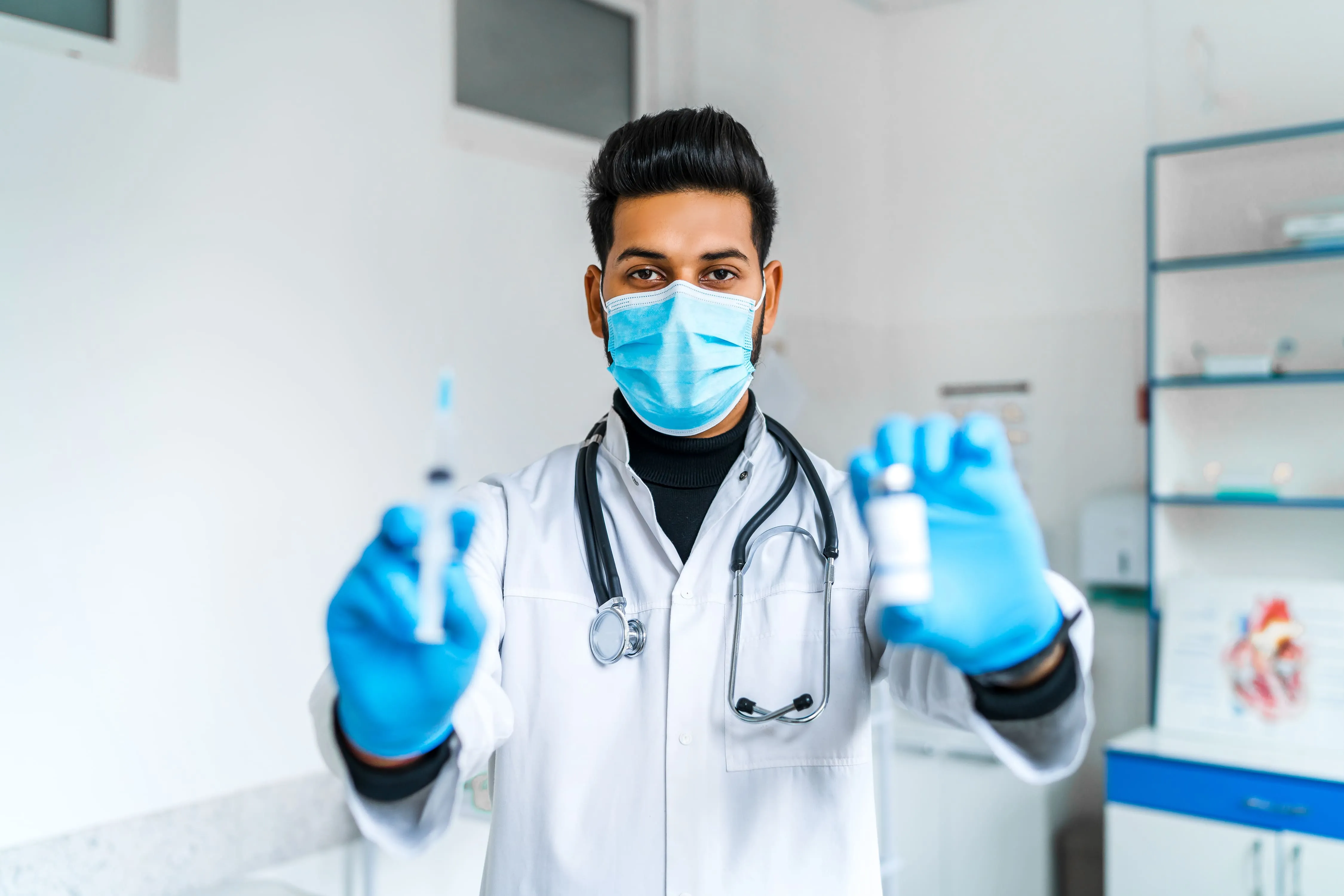
Doctors, pharmacists, and healthcare workers have a special responsibility:
For Doctors
- Order diagnostic tests when possible to confirm bacterial infections
- Educate patients about why antibiotics aren’t needed for viral infections
- Prescribe narrow-spectrum antibiotics when appropriate rather than broad-spectrum
- Reserve powerful antibiotics for severe infections
- Take time to explain to patients, even in busy practices
For Pharmacists
- Refuse to dispense antibiotics without valid prescriptions
- Educate customers about proper antibiotic use
- Counsel patients on completing courses
- Report and refuse suspicious or inappropriate prescriptions
For Veterinarians and Farmers
- Use antibiotics only to treat sick animals, not for growth promotion
- Follow proper withdrawal periods before selling animal products
- Implement better hygiene and farming practices to reduce infection rates
- Explore alternatives to routine antibiotic use
The Global Picture: Why India’s Problem Affects Everyone
Bacteria don’t respect borders. A superbug that develops in India can spread globally through:
- International travel
- Trade of food products
- Medical tourism
- Environmental contamination
India is now known globally as a hotspot for antibiotic resistance. The NDM-1 superbug, first identified in New Delhi, has spread to over 70 countries. Our problem is becoming the world’s problem.
Conversely, this means global solutions can help India. International research, sharing of best practices, and global health initiatives can all contribute to solving this crisis.
Hope for the Future: What’s Being Done
Despite the grim picture, there are positive developments:
Research and Development
Scientists worldwide are working on:
- New classes of antibiotics with different mechanisms
- Alternatives to antibiotics, like bacteriophages (viruses that kill bacteria)
- Rapid diagnostic tests to quickly identify bacterial infections
- Vaccines to prevent bacterial infections
Policy Changes
Governments are implementing:
- Stricter regulations on antibiotic sales
- Better surveillance of antibiotic resistance patterns
- National action plans to combat resistance
- Educational campaigns
Technology Solutions
Innovations include:
- AI systems to predict resistance patterns
- Better diagnostic tools for point-of-care testing
- Tracking systems to monitor antibiotic use
Public Awareness
Growing awareness means:
- More informed patients
- Better compliance with appropriate antibiotic use
- Increased demand for responsible prescribing
- Greater pressure on policymakers
A Call to Action: The Choice Is Ours
We stand at a crossroads. One path leads to a post-antibiotic era—a world where minor infections become death sentences, where modern medicine becomes impossible, where we return to the dark ages before penicillin.
The other path leads to a future where we use antibiotics wisely, preserve their effectiveness, develop new solutions, and ensure that life-saving treatments remain available for generations to come.
Which path we take depends on choices made today—by individuals, healthcare providers, policymakers, and communities.
Conclusion: Small Actions, Massive Impact
The story of antibiotic resistance might seem overwhelming, but remember this: every time you avoid taking an unnecessary antibiotic, you’re making a difference. Every time you complete a proper course as prescribed, you’re fighting resistance. Every time you educate someone else, you’re multiplying your impact.
This isn’t just about health—it’s about survival. It’s about protecting your children and grandchildren. It’s about ensuring that the medical miracles we take for granted remain available for future generations.
The superbugs are real. The threat is immediate. But so is our power to act.
Start today. Refuse unnecessary antibiotics. Complete prescribed courses. Educate your family. Support better policies. Choose responsibly raised food products. Wash your hands. Take care of your health.
These simple actions, multiplied across millions of people, can turn the tide in this silent epidemic.
Remember: antibiotics are precious resources—literal life-savers. They should be treasured.